Translate

Sep 17, 2018

What is Functional Medicine and How are Practitioners Trained?

Functional medicine is a systems biology-based approach that focuses on identifying and addressing the root cause of disease. In theory, each symptom or differential diagnosis may be one of many contributing to an individual's illness. Functional medicine has its roots in Naturopathy. Jeffery Bland, the founder of Metagenics was on the board of Bastyr University when he created the functional medicine courses. He wanted to train M.D.s, nutritionist, and other practitioners to be more like naturopathic doctors and treat by getting to the cause of a disease and using natural therapies. Thus, many of the functional medicine courses were developed by naturopathic doctors.

I have practiced functional medicine for the past twenty-two years.  I went through a 4 yr naturopathic certified medicine school training.    Recently more practitioners   dentists, chiropractors, nutritionists,  optometrists,  occupational therapists, physical therapists, pharmacists,  acupuncturists, MDs and  nurses are claiming that they do functional medicine. Unfortunately, this can mean they took one class or a few weekend classes as anyone can state they are a functional medicine practitioner without even taking a class. Many of the  functional medicine practitioners do not have a medical degree do a lot of lab testing (see the article above on labs) and do not take a thorough history to determine the cause of the patient's health problem. This is not how functional medicine works. If one does not take the time to do a comprehensive history and physical exam (up to 1 1/2 hour) you will never get to the cause. Many new functional medicine providers put everyone on the same supplements and order a lot of unnecessary lab tests.

Since the functional medicine label is now so loosely used, be cautious of this term. Ask about the practitioner’s training in detail. If the practitioner is not a doctor, determine if they have the education and training to diagnose  and treat disease. It is important to know who you are going to.

Aug 29, 2018

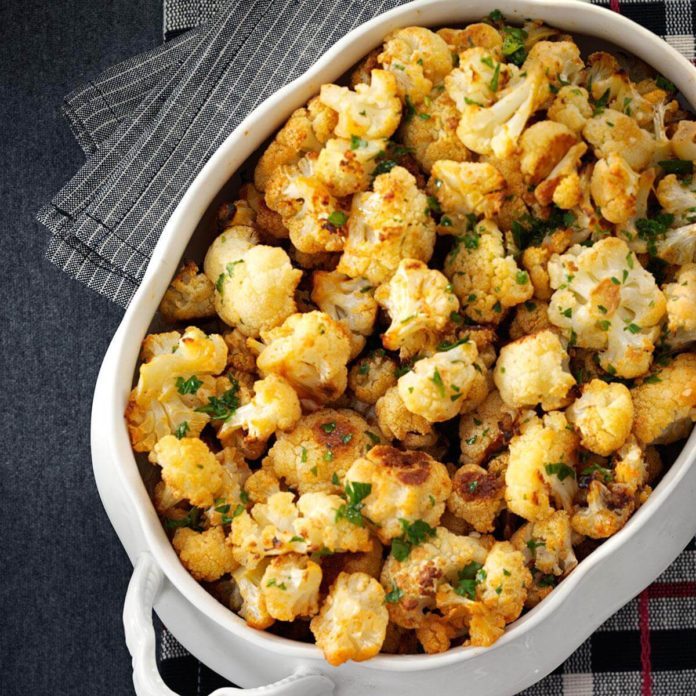
Smoky or Curry Cauliflower

Smoky Cauliflower

  • Prep/Total Time: 30 min.

Makes

  • 8 servings

Ingredients

  • 1 large head cauliflower, broken into 1-inch florets (about 9 cups)
  • 2 tablespoons olive oil
  • 1 teaspoon smoked paprika or curry
  • 3/4 teaspoon salt
  • 2 garlic cloves, minced
  • 2 tablespoons minced fresh parsley

Directions

  • Place cauliflower in a large bowl. Combine the oil, paprika and salt. Drizzle over cauliflower; toss to coat. Transfer to a 15x10x1-in. baking pan. Bake, uncovered, at 450° for 10 minutes.
  • Stir in garlic. Bake 10-15 minutes longer or until cauliflower is tender and lightly browned, stirring occasionally. Sprinkle with parsley.

Nutrition Facts

3/4 cup: 58 calories, 4g fat (0 saturated fat), 0 cholesterol, 254mg sodium, 6g carbohydrate (3g sugars, 3g fiber), 2g protein. Diabetic Exchanges: 1 vegetable, 1/2 fat.

Pomegranate-Hazelnut Roasted Brussels Sprouts

Pomegranate-Hazelnut Roasted Brussels Sprouts
  • Total Time
    Prep/Total Time: 25 min.
  • Makes
    8 servings

Ingredients

  • 2 pounds fresh Brussels sprouts, trimmed and halved
  • 1/4 cup olive oil
  • 1-1/2 teaspoons kosher salt
  • 1 teaspoon coarsely ground pepper
  • 2/3 cup chopped hazelnuts, toasted
  • 1 tablespoon grated orange zest
  • 1/2 cup pomegranate seeds

Directions

  • Preheat oven to 400°. Place Brussels sprouts in a foil-lined 15x10x1-in. baking pan. Drizzle with oil; sprinkle with salt and pepper. Toss to coat. Roast 15-20 minutes or until tender, stirring occasionally. Remove from oven.
  • Meanwhile, in a small heavy saucepan, melt butter over medium heat. Heat 5-7 minutes or until golden brown, stirring constantly. Remove from heat; drizzle over Brussels sprouts. Add hazelnuts and orange zest; gently toss to coat. Transfer to a serving bowl. Just before serving, sprinkle with pomegranate seeds.
Nutrition Facts
3/4 cup: 248 calories, 22g fat (7g saturated fat), 23mg cholesterol, 454mg sodium, 13g carbohydrate (4g sugars, 5g fiber), 5g protein.

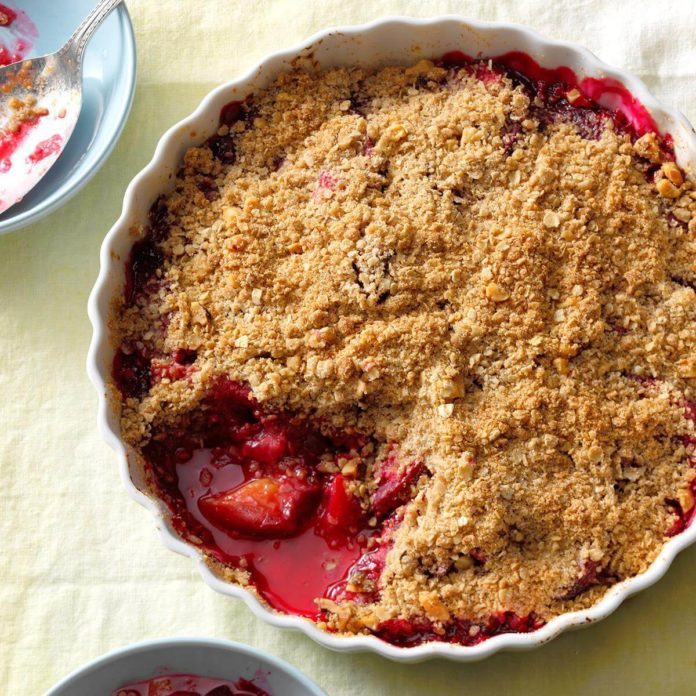
Plum Crisp with Crunchy Oat Topping

Plum Crisp with Crunchy Oat Topping
  • Total Time
    Prep: 25 min. + standing Bake: 40 min.
  • Makes
    8 servings

Ingredients

  • 3/4 cup old-fashioned oats
  • 1/3 cup all-purpose flour
  • 1/4 cup plus 2 tablespoons sugar, divided
  • 1/4 cup packed brown sugar
  • 1/4 teaspoon salt
  • 1/4 teaspoon ground cinnamon
  • 1/4 teaspoon ground nutmeg
  • 3 tablespoons butter, softened
  • 1/4 cup chopped walnuts
  • 5 cups sliced fresh plums (about 2 pounds)
  • 1 tablespoon quick-cooking tapioca
  • 2 teaspoons lemon juice

Directions

  • In a small bowl, combine the oats, flour, 1/4 cup sugar, brown sugar, salt, cinnamon and nutmeg. With clean hands, work butter into sugar mixture until well combined. Add nuts; toss to combine. Refrigerate for 15 minutes.
  • Meanwhile, in a large bowl, combine the plums, tapioca, lemon juice and remaining sugar. Transfer to a greased 9-in. pie plate. Let stand for 15 minutes. Sprinkle topping over plum mixture.
  • Bake at 375° for 40-45 minutes or until topping is golden brown and plums are tender. Serve warm.
Nutrition Facts
1 serving: 233 calories, 8g fat (3g saturated fat), 11mg cholesterol, 107mg sodium, 40g carbohydrate (27g sugars, 3g fiber), 3g protein.

Jun 20, 2018

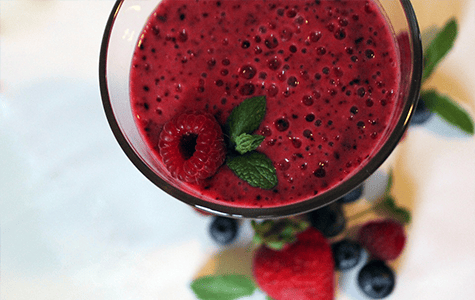
Red Raspberry Smoothie for Brain Health

        Red Raspberry Smoothie Recipe For Brain Health


smoothieJust because summer is almost over doesn’t mean your love for brain healthy smoothies should end too! You can enjoy this quick and easy recipe year round. Berries are nutrient superstars packed with antioxidants that can potentially slow aging in the brain. Nuts and seeds always make great recipe add-ins for brain and heart health.
For this smoothie recipe, you will need:
  • 1 ¼ cups unsweetened almond milk
  • ½ cup frozen unsweetened raspberries
  • 2 tablespoons ground flaxseed
  • 2 tablespoons almond butter
  • 1 tablespoon chia seeds
  • 1 tablespoon pomegranate powder (or substitute 3 strawberries)

Directions

  1. Place all the ingredients in a blender and start to blend on low speed, gradually increasing to high speed.
  2. Blend until creamy and smooth.

Nutrition information

Each 2-cup serving contains:  calories 430, fat 31 g, saturated fat 2g, cholesterol 0mg, fiber 15g, protein 13g, carbohydrates 31g, sodium 320mg
From the book, Eat Fat, Get Thin, by Mark Hyman, MD

Cauliflower for Brain Health

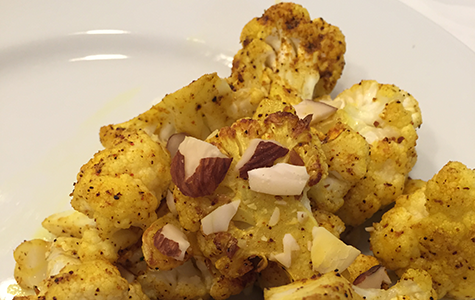
         Recipes For Brain Health: Cauliflower Gold


Cauliflower GoldBetter brain health starts with you. Our six pillars of brain health show food and nutrition have an important impact on the future health of your brain. Why? Because as you age, your brain becomes exposed to oxidative stress – when damaging free radicals outnumber the body’s defenses causing damage to blood vessels. By eating foods high in antioxidants, like the yellow spice turmeric, and healthy fats like olive oil (most commonly found in the Mediterranean diet) you potentially have the power to prevent oxidative stress, boost brain health, and improve your overall health. Read on for one of our healthy brains recipes.

Cauliflower Gold Recipe by Jim Perko and Cleveland Clinic’s Lifestyle Medicine Program

Ingredients:
  • 1 cauliflower, cut into small florets
  • 4 tablespoons extra virgin olive oil
  • 1 teaspoon ground cumin
  • ½ teaspoon chili powder
  • ½ teaspoon turmeric
  • 1 tablespoon garam masala (an Indian spice blend containing black pepper, cinnamon, red chili, cumin, cardamom, cloves and nutmeg)
  • Pinch of cayenne pepper
  • 1 ½ cups vegetable stock
  • 3 tablespoons tomato paste
  • ½ cup toasted and ground almonds
Preparation:
  1. Lightly brown cauliflower in frying pan with olive oil. Stir frequently (15 to 20 minutes).
  2. Remove cauliflower from frying pan.
  3. Add all spices to hot pan. Toast for about 30 seconds.
  4. Add vegetable stock to prevent burning spices.
  5. Add tomato paste and mix all ingredients well.
  6. Add back in cauliflower to frying pan.
  7. Saute for two minutes. Add ground almonds, mix, and serve.
Yields 8 servings
Half a cup of this brain healthy dish contains:
  • 132 calories
  • 3.4g of protein
  • 8.6g of total carbohydrates
  • 3g of fiber
  • 0mg cholesterol
  • 10.1g total fat
  • 221mg of sodium
Want to begin a Mediterranean-style diet? Start by eating more fish like salmon, cod, tuna and halibut, limit your red meat consumption, and consuming plenty of leafy greens and a variety of other vegetables. Healthy fats found in olives, nuts, and olive oil help keep you gratified  and your brain healthier. Fruits like blueberries, blackberries and raspberries are loaded with antioxidants, but make sure you have a variety of other fruits, too. Spice it up with turmeric, saffron, garlic and cinnamon. Collectively, the Mediterranean diet has been shown through research to maintain brain health as we age, staving off diseases like Alzheimer’s.

Salmon for Brain Health

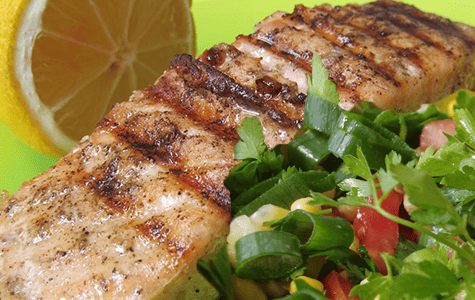
                Seared Salmon and Arugula Salad


Seared Salmon and Arugula Salad
Salmon is a quintessential food for improving your brain health. Its abundance of omega-3 fatty acids, the type of fatty acid your body can’t produce, are good for your brain and other vital organs. Brain health experts recommend eating fish at least twice a week for optimal benefits.
Complement the brain health benefits of salmon by including an arugula salad. Leafy greens, like peppery tasting arugula, are rich in many brain-loving phytonutrients. Phytonutrients can also help protect the body from various cancers.
Here’s a simple  brain health recipe you’ll want to remember to cook week after week.

Brain Healthy Seared Salmon and Arugula Salad

Salmon Ingredients

  • 4 salmon fillets (center-cut) sized at about 3 oz. each
  • 1 ½ Tbsp olive oil
  • 1 ½ Tbsp fresh squeezed lemon juice
  • Pinch of salt and pepper to taste

Arugula Salad Ingredients

  • 3 heaping cups of baby arugula leaves
  • ⅔ cup of washed and sliced cherry or grape tomatoes
  • ¼ cup chopped or thinly sliced red onion
  • 1 Tbsp extra-virgin olive oil
  • 1 Tbsp red-wine vinegar
  • Salt and pepper to season dressing
Create a marinade for your salmon with the lemon juice, salt, pepper and olive oil. Marinate the fish for about 15 minutes. Next, heat a nonstick pan over medium-high heat. Place the fish skin-side down into the hot pan. Cook for two minutes uncovered allowing the skin to become crispy. While cooking, gently use a spatula to help keep it from sticking to the pan. Cover the pan and cook for another 3-4 minutes on medium heat. When finished, your salmon should have a crisp skin and flaky flesh that breaks easily with a fork.
We recommend prepping your salad ingredients before you cook your salmon, to prevent overcooking the fish. Once the fish is ready, simply toss together the arugula, tomatoes and onions in a bowl, add your oil and vinegar dressing and evenly coat.
Serve both immediately and enjoy!

Brain Health Benefits

This recipe makes four servings containing 200 calories each. While this meal is high in fat (13 grams per serving) the fats are rich in omega-3s from whole, natural foods like fish and olive oil that help promote healthy brains. With only three grams of carbohydrates and 18 grams of protein per serving, this meal will help keep you feeling lean and energized.
Want to find more brain healthy recipes for your family? Visit the Healthy Brains website to find recipes, tips and more to help you improve your brain health.