Translate

May 30, 2019

HAPPY TICK-FREE SUMMER


Memorial Day Weekend has come and gone, and that means one thing – it’s officially summer! And while the warmer weather comes with exciting outdoor adventures and great vitamin-D access, it also awakens many creatures – including the biting ones.
In the catalog of annoying bugs, ticks hold a special place, as they transmit a wide range of diseases – including bacterial, viral and parasitic ones. Ticks are parasitic mites of the family Ixodidae and, while there are over 800 known species, only 15 transmit diseases. Of all tick-transmitted diseases, Lyme (Lyme borreliosis) is the most dreaded. Currently the most frequently occurring vector-borne disease in the US, it is transmitted by the blacklegged deer tick (Ixodes scapularis and I. pacificus).
In the US, around 300,000 people come down with Lyme disease each year – a far cry from the 30,000–mark reported by the Centers for Disease Control and Prevention (CDC) before 2015. 96 percent of these cases are reported from 14 states dispersed around the Upper Midwest, Mid-Atlantic and the Northeast, although infection reports have been country-wide.
Early in their life cycle, blacklegged deer ticks don’t carry any pathogens. However, they contract the Lyme bacterium (Borrelia burgdorferi) when feeding on the blood of an infected host. These infected ticks, which serve as a reproduction site for the bacteria, then transmit B. burgdorferi via saliva to humans during a blood meal. Blacklegged deer ticks can transmit Lyme disease either as nymphs or adults, although the nymphal transmissions are more prominent.
It was previously believed that for a successful transmission to occur, ticks needed to be attached to the skin for 36-48 hours, but according to a recent study published in the International Journal of General Medicine, Lyme disease can be transmitted in as little as 16 hours, with the average transmission time of 24 hours.
Lyme disease is multi-systemic in nature, capable of affecting the skeletal, cardiovascular and central nervous systems. Known as the great mimicker, it can present with rheumatoid arthritis, fibromyalgia, depression, attention deficit hyperactivity disorder, multiple sclerosis, chronic fatigue syndrome, cardiac manifestations, encephalitis, and mental illness, to name some of the many associations. Common ocular symptoms and signs include conjunctivitis, keratitis, uveitis, and retinitis. The most diagnostic symptom, however, is erythema migrans a.k.a., the bulls-eye rash.
Lyme disease has no “cure”, per se, although some medications, botanicals and/or nutrients may prove ameliorative. Early detection and treatment is also critical to prevent multi-system complications that can arise later in life. This is why prevention is key when it comes to ticks and Lyme disease.
Repel ticks with essential oils
The CDC recommends Permethrin, DEET and picaridin as inorganic solutions to the tick problem, suggesting the treatment of clothes, socks and boots prior to enjoying outdoor activities. However, research has shown that certain essential oils (alone or as a mixture) can be just as efficacious in tick prevention and control.
Essential oils including rosemary, lemongrass, cedar wood, peppermint, geraniol, citronella and clove have all been found to possess strong acaricidal properties that make them an effective organic option in tick control.
In a 2013 study published in the Journal of Medical Entomology, Eco-Exempt IC2 (an organic insecticide with rosemary oil (10%) and peppermint oil (2%) as its active ingredients) was used to control various stages of I. scapularis in southern Maine. The black-legged deer ticks were endemic in the test area prior to the acaricide application, during both nymphal and adult season peaks. In both cases, the population of I. scapularis in the treated area was reduced to zero and the effect lasted for 6 months post-application. In another study examining the efficacy of rosemary essential oil, a larval mortality of >85% was reported at 10-20% concentrations.
Cedar wood oil has also been widely reported as a potent acaricide. In a study published in the Journal of Economic Entomology, Incense cedar heartwood (Calocedrus decurrens) oil was found to be highly toxic to nymphal I. scapularis and controlled its population significantly in the target area. Another study published in Environmental Entomology reported that  red cedar oil resulted in 100% mortality rate in nymphal I. scapularis at a dosage of 6.3 mg/ml.
Clove bud and Citronella oils are also quite effective. One 2017 study reported an 83% repelling strength for clove bud when used against Dermacentor reticulatus ticks at 3% concentration. Citronella was reported to have an even higher repellency of 91% at a concentration of 1.5 percent. Application of the oils may be topical or sprayed in the environment.
Other helpful tips:
  • Avoid natural tick habitats e.g., leaf litter and thick vegetation.
  • Stick to the middle of trails when you go hiking.
  • Take a quick shower and perform a full body check after spending time in the wood.
  • When discovered, remove ticks quickly with forceps.
  • Treat dogs and other pets with tick-repelling products.
  • Kill ticks by drying clothes in a high-heat dryer for 10-15 minutes after potential exposure.
Happy Summer!


COQ10 CUTS MORTALITY BY HALF IN HEART FAILURE PATIENTS


A human study of 420 severe heart failure patients (Q-SYMBIO) compared individuals randomly selected to take CoQ10 or placebo, and who were monitored for 24 months. The goal was to measure the time it took for patients to experience a major adverse cardiovascular event (MACE), including cardiovascular death. The research showed that CoQ10 reduced the risk of MACE by about 50%, with only 14% of the patients on CoQ10 having an event vs. 25% of the placebo group during the study period. According to the lead author, “Other heart failure medications block rather than enhance cellular processes and may have side effects. Supplementation with CoQ10, which is a natural and safe substance, corrects a deficiency in the body and blocks the vicious metabolic cycle in chronic heart failure called the energy starved heart.”  Statins deplete COQ10.  I do not recommend Statins in lowering cholesterol.  There are other safer ways to treat high cholesterol. The most absorbable COQ10 is ubiquinone or MitoQ which you can purchase a the Riverwalk Natural Health Clinic Pharmacy. 
Mortensen SA, Kumar A, Dolliner P, et al. The effect of Coenzyme Q10 on morbidity and mortality in chronic heart failure. Results from the Q-SYMBIO study. Abstract no 440, European Journal of Heart Failure. (2013) 15 (S1), S20.

LONG TERM MULTIVITAMIN USE LINKED TO LOWER CARDIOVASCULAR DISEASE (CVD) IN MEN!


Researchers from Harvard TH Chan School of Public Health, Karolinska Institute (Stockhilm) and Brinham and Women’s Hospital (Boston) investigated how multivitamin use is associated with the risk of CVD in men who were initially (as baseline) healthy. They studied over 18,500 male physicians (≥40 yrs) from the Physicians’ Health Study 1 cohort who were free of CVD and cancer at baseline. All self-reported lifestyle and clinical factors, plus intake of selected foods and dietary supplements. During a mean follow-up of 12.2 years, there were no significant associations observed among baseline multivitamin uses compared with nonusers for the risk of major CVD events. However, at a duration of 20 years or more, a 44% reduction of risk of major CVD events. There was no evidence of any safety concerns from long-term multivitamin use.  This is one reason I developed my Optimal Health Multiple Vitamin twenty years ago.  Now you can also purchase it on Amazon.

S Rautiainen, et al. Multivitamin Use and the Risk of Cardiovascular Disease in Men. First published April 27, 2016, doi: 10.3945/jn.115.227884 J. Nutr.


HIGH CHRONIC CORTISOL LEVELS PREDICT CARDIOVASCULAR DISEASE (CVD) IN SENIORS


Cortisol is our stress hormone.  When stress is high so is once cortisol.  High cortisol levels can increase one's risk for heart disease, cancer, insomnia, inflammation and high blood pressure.  Historically, cortisol has been measured in serum or saliva, which provides a snapshot. However, cortisol levels vary over time and fluctuate with circadian rhythm and are affected by acute stress. In recent years, validated hair tests have become available to look at cortisol levels over time. Dutch researchers investigated whether long-term high cortisol levels were linked to increased CVD risk by measuring hair cortisol levels in 283 seniors (aged 65-85, 66% women). They discovered that participants with high long-term cortisol levels (those in the highest quartile) had a 2.7 times increased risk of CVD (1). This correlated with earlier research that found significantly higher cortisol levels in the hair of men presenting to the ER for a myocardial infarction as opposed to other reasons (2). In a statement, lead author Dr. Elisabeth van Rossum stated, “The data showed a clear link between chronically elevated cortisol levels and cardiovascular disease.”
(1) E. van Rossum, et al, J Clin Endocrinol Metab. Published online April 17, 2013
(2) Pereg et al, Stress 2011; 14:73-81.

Jan 27, 2019

Spinach & Pea Curry

Image result for Curry spinach google image


 Spinach & Pea Curry 

1 tbsp of coconut oil
1 clove of garlic grated
1 tsp fresh ginger grated
½ tsp gram masala
½ tsp curry powder
1 cup of frozen peas
1 cup of coconut milk
5 oz of baby spinach
Sea salt

In a sauté pan melt coconut oil over medium heat.  Add garlic, ginger, garam masala and curry powder and cook for 2 mins. Add peas and coconut milk and cook 5 mins mashing the peas to thicken mixture.  Add spinach and stir. Simmer a few more mins until spinach is wilted and serve over basmati rice. 

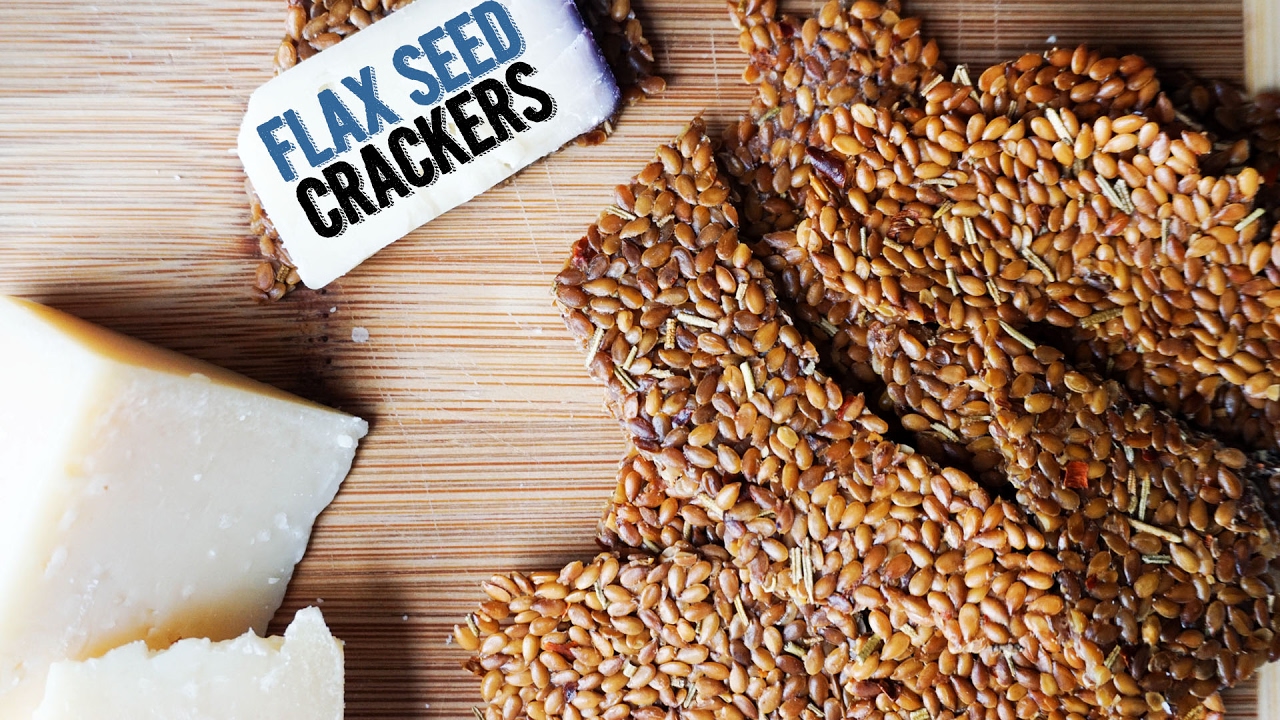
Seeded Crackers


Flax Seed Crackers

Makes  8 x 11 inch cracker

Grain & gluten free great with avocado & hummus

½ cup flax seed
¼ tsp sea salt
3 tbsp of black sesame seeds
3 tbsp of white sesame seeds 
3 tbsp of pepitas 
1 cup of boiling water
Preheat oven 320 F
In medium bowel mix all ingredients and let stand 15 mins
Lay a large sheet of parchment paper on your work surface and use a spatula to scrape the seed mixture onto the paper.  Top with another parchment paper and use a rolling pin to roll the mixture to ¼ inch thick 8 x 11.
Transfer to backing sheet and take off the top layer of paper.  Sprinkle with sea salt and bake 45 mins.  Let cool and break for crackers.

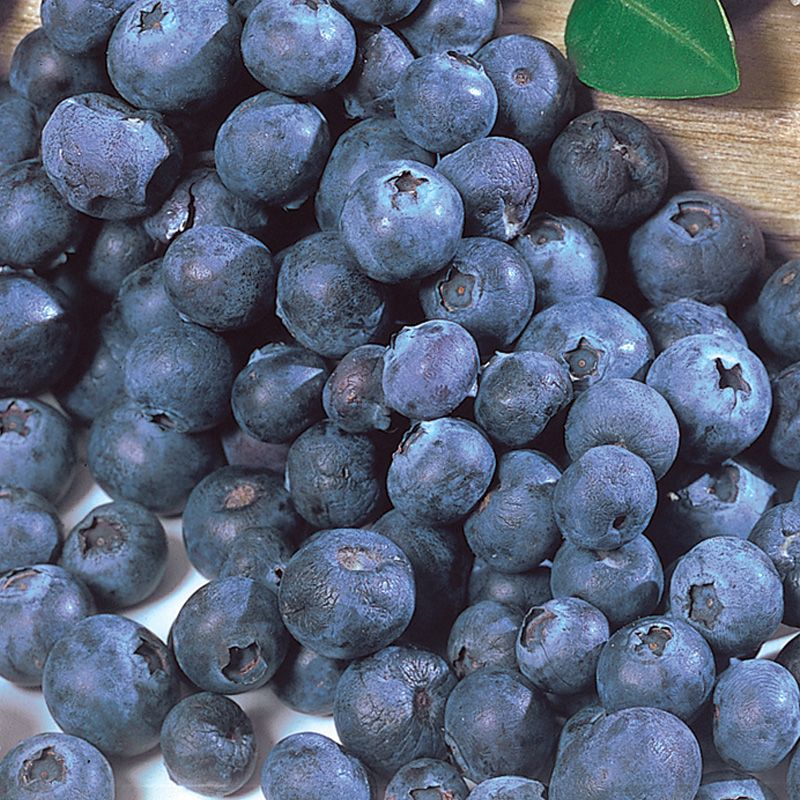
Chai Seed Blueberry Jam


Chai Seed Blueberry  Jam  


Makes 1 cup
1 cup of blueberries
3 tbsp of Fresh Lemon juice
3 tbsp of chai seeds
In a saucepan combine blueberries and lemon juice cook over medium heat for 5-6 mins until blueberries break down and liquidity.  Then blend the blueberries until smooth.  Simmer over medium heat 5 mins until it thickens, Transfer to small jaw and add chai seeds and let sit x 10 mins and store in fridge for 5 days.