Translate

May 30, 2019

COQ10 CUTS MORTALITY BY HALF IN HEART FAILURE PATIENTS


A human study of 420 severe heart failure patients (Q-SYMBIO) compared individuals randomly selected to take CoQ10 or placebo, and who were monitored for 24 months. The goal was to measure the time it took for patients to experience a major adverse cardiovascular event (MACE), including cardiovascular death. The research showed that CoQ10 reduced the risk of MACE by about 50%, with only 14% of the patients on CoQ10 having an event vs. 25% of the placebo group during the study period. According to the lead author, “Other heart failure medications block rather than enhance cellular processes and may have side effects. Supplementation with CoQ10, which is a natural and safe substance, corrects a deficiency in the body and blocks the vicious metabolic cycle in chronic heart failure called the energy starved heart.”  Statins deplete COQ10.  I do not recommend Statins in lowering cholesterol.  There are other safer ways to treat high cholesterol. The most absorbable COQ10 is ubiquinone or MitoQ which you can purchase a the Riverwalk Natural Health Clinic Pharmacy. 
Mortensen SA, Kumar A, Dolliner P, et al. The effect of Coenzyme Q10 on morbidity and mortality in chronic heart failure. Results from the Q-SYMBIO study. Abstract no 440, European Journal of Heart Failure. (2013) 15 (S1), S20.

LONG TERM MULTIVITAMIN USE LINKED TO LOWER CARDIOVASCULAR DISEASE (CVD) IN MEN!


Researchers from Harvard TH Chan School of Public Health, Karolinska Institute (Stockhilm) and Brinham and Women’s Hospital (Boston) investigated how multivitamin use is associated with the risk of CVD in men who were initially (as baseline) healthy. They studied over 18,500 male physicians (≥40 yrs) from the Physicians’ Health Study 1 cohort who were free of CVD and cancer at baseline. All self-reported lifestyle and clinical factors, plus intake of selected foods and dietary supplements. During a mean follow-up of 12.2 years, there were no significant associations observed among baseline multivitamin uses compared with nonusers for the risk of major CVD events. However, at a duration of 20 years or more, a 44% reduction of risk of major CVD events. There was no evidence of any safety concerns from long-term multivitamin use.  This is one reason I developed my Optimal Health Multiple Vitamin twenty years ago.  Now you can also purchase it on Amazon.

S Rautiainen, et al. Multivitamin Use and the Risk of Cardiovascular Disease in Men. First published April 27, 2016, doi: 10.3945/jn.115.227884 J. Nutr.


HIGH CHRONIC CORTISOL LEVELS PREDICT CARDIOVASCULAR DISEASE (CVD) IN SENIORS


Cortisol is our stress hormone.  When stress is high so is once cortisol.  High cortisol levels can increase one's risk for heart disease, cancer, insomnia, inflammation and high blood pressure.  Historically, cortisol has been measured in serum or saliva, which provides a snapshot. However, cortisol levels vary over time and fluctuate with circadian rhythm and are affected by acute stress. In recent years, validated hair tests have become available to look at cortisol levels over time. Dutch researchers investigated whether long-term high cortisol levels were linked to increased CVD risk by measuring hair cortisol levels in 283 seniors (aged 65-85, 66% women). They discovered that participants with high long-term cortisol levels (those in the highest quartile) had a 2.7 times increased risk of CVD (1). This correlated with earlier research that found significantly higher cortisol levels in the hair of men presenting to the ER for a myocardial infarction as opposed to other reasons (2). In a statement, lead author Dr. Elisabeth van Rossum stated, “The data showed a clear link between chronically elevated cortisol levels and cardiovascular disease.”
(1) E. van Rossum, et al, J Clin Endocrinol Metab. Published online April 17, 2013
(2) Pereg et al, Stress 2011; 14:73-81.

Jan 27, 2019

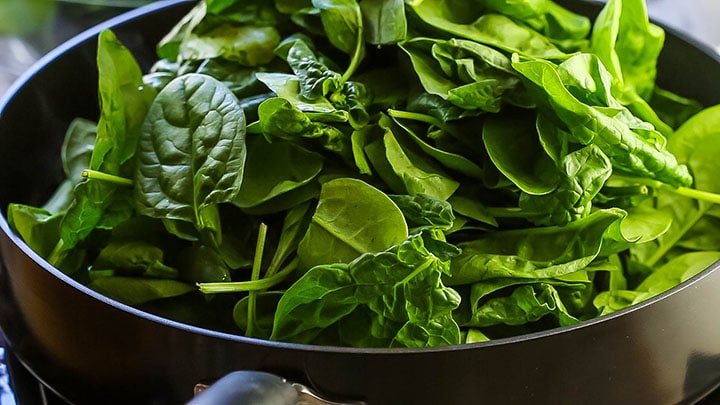
Spinach & Pea Curry

Image result for Curry spinach google image


 Spinach & Pea Curry 

1 tbsp of coconut oil
1 clove of garlic grated
1 tsp fresh ginger grated
½ tsp gram masala
½ tsp curry powder
1 cup of frozen peas
1 cup of coconut milk
5 oz of baby spinach
Sea salt

In a sauté pan melt coconut oil over medium heat.  Add garlic, ginger, garam masala and curry powder and cook for 2 mins. Add peas and coconut milk and cook 5 mins mashing the peas to thicken mixture.  Add spinach and stir. Simmer a few more mins until spinach is wilted and serve over basmati rice. 

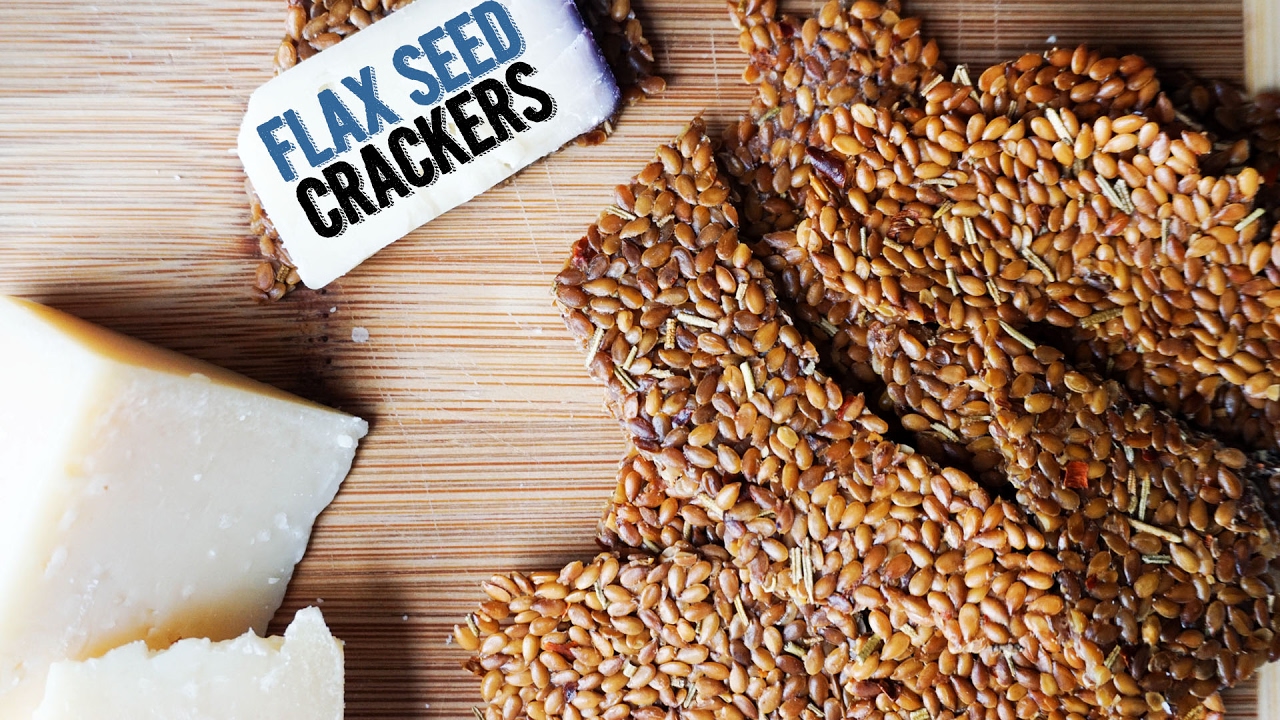
Seeded Crackers


Flax Seed Crackers

Makes  8 x 11 inch cracker

Grain & gluten free great with avocado & hummus

½ cup flax seed
¼ tsp sea salt
3 tbsp of black sesame seeds
3 tbsp of white sesame seeds 
3 tbsp of pepitas 
1 cup of boiling water
Preheat oven 320 F
In medium bowel mix all ingredients and let stand 15 mins
Lay a large sheet of parchment paper on your work surface and use a spatula to scrape the seed mixture onto the paper.  Top with another parchment paper and use a rolling pin to roll the mixture to ¼ inch thick 8 x 11.
Transfer to backing sheet and take off the top layer of paper.  Sprinkle with sea salt and bake 45 mins.  Let cool and break for crackers.

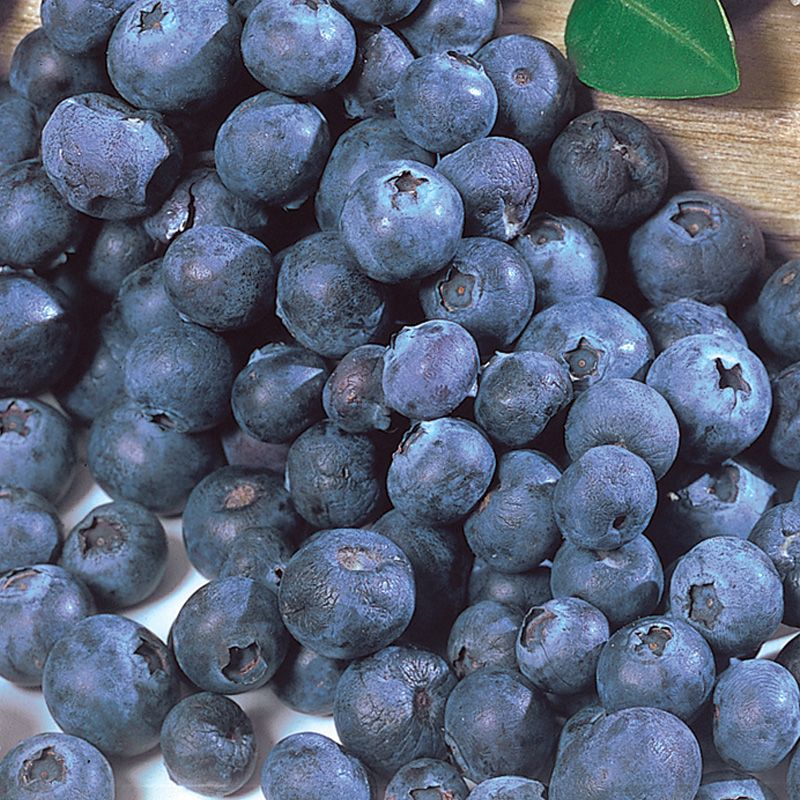
Chai Seed Blueberry Jam


Chai Seed Blueberry  Jam  


Makes 1 cup
1 cup of blueberries
3 tbsp of Fresh Lemon juice
3 tbsp of chai seeds
In a saucepan combine blueberries and lemon juice cook over medium heat for 5-6 mins until blueberries break down and liquidity.  Then blend the blueberries until smooth.  Simmer over medium heat 5 mins until it thickens, Transfer to small jaw and add chai seeds and let sit x 10 mins and store in fridge for 5 days.

Sep 17, 2018

Are You On Way Too Many Drugs Or Supplements?

I find that many of my patients have been taking the same drug for ten or more years. After that period of time the drug may not even be working for them. Too often once a doctor puts a patient on a drug, no one ever reviews if they should be still taking the same medication. I often find this with high blood pressure medication. When I check the patient’s blood pressure often it is still high even though they have been on their medication for years. Therefore, it is important to get to the cause of your health problem. The average sixty-year-old is on five to ten different medications per day (academic.oup.com/ageing/article/45/3/402/1739763). Many of these medications can interact with each other and cause vitamin and mineral deficiencies. Therefore, one should be reviewing their medications with each doctor visit because many of these medications can be causing side effects. (Note that one-third of US adults may unknowingly use medications that can cause depression or increase the risk of suicide: Polypharmacy on the rise. sciencedaily.com/releases/2018/06/180612185204.htm)

Many patients also take a lot of herbs and vitamins that are not needed. I have had patients come in for a visit with shopping bags full of supplements that they have seen on the internet or were recommended by the clerk at the health food store. I do not recommend patients taking herbs and vitamins unless absolutely necessary for their health issues.  Everyone should not be on the same supplement regime. With each visit, I review all medications and supplements that patients should or should not be on. I find that many medications can be causing the person’s current health issue.  I have worked with many patients to get them off whatever medications that are not necessary – in coordination with any other physician a patient sees. Again, just because a doctor prescribed a drug ten years ago does not mean it is working today.

Deborah Wiancek, N.D.